How to Choose the Right Quad Bike Ride in Dubai
Choosing the right quad bike ride is less about picking the first available option and more about matching the ride to your confidence, experience, and expectations. Dubai offers a wide range of off road experiences, from calm desert routes to more demanding dune terrain. A little thought before booking helps avoid mismatches, such as choosing a powerful bike for a first ride or selecting a short outing when you hoped for a longer desert experience.
Start by being honest about your riding experience. A quad bike can feel manageable at low speed, but desert terrain changes that quickly. Sand shifts under the tires, slopes feel steeper than they look, and turning takes more space than many beginners expect. If you have never ridden one before, look for an option that includes clear instructions, a controlled start, and a route that does not demand advanced technique. If you already ride, you may want a longer route with more varied ground and fewer pauses.
Decide what kind of ride you want
Think about the experience you are aiming for before comparing bikes. Some riders want a relaxed trail through open desert, with time to stop and take in the surroundings. Others want a more active ride with rolling dunes, sharper turns, and a stronger sense of adventure. The right choice depends on pace as much as machinery.
A guided tour can be a sensible choice if you are unfamiliar with the area. Guides usually know which routes suit different ability levels and can set a pace that keeps the group together. For a first outing, that structure can matter more than the bike itself. If you prefer independence, check whether solo riding is allowed and what route information is provided. Riding without guidance in desert terrain is a different skill set, especially when landmarks look similar and tracks change.
Also consider whether the ride is part of a wider desert safari. Some quad bike experiences are short add ons, while others are the main activity. If the riding is only a small part of the day, expectations should match. A short session may be enough to try the activity, but it may feel rushed if you hoped to spend significant time on the bike.
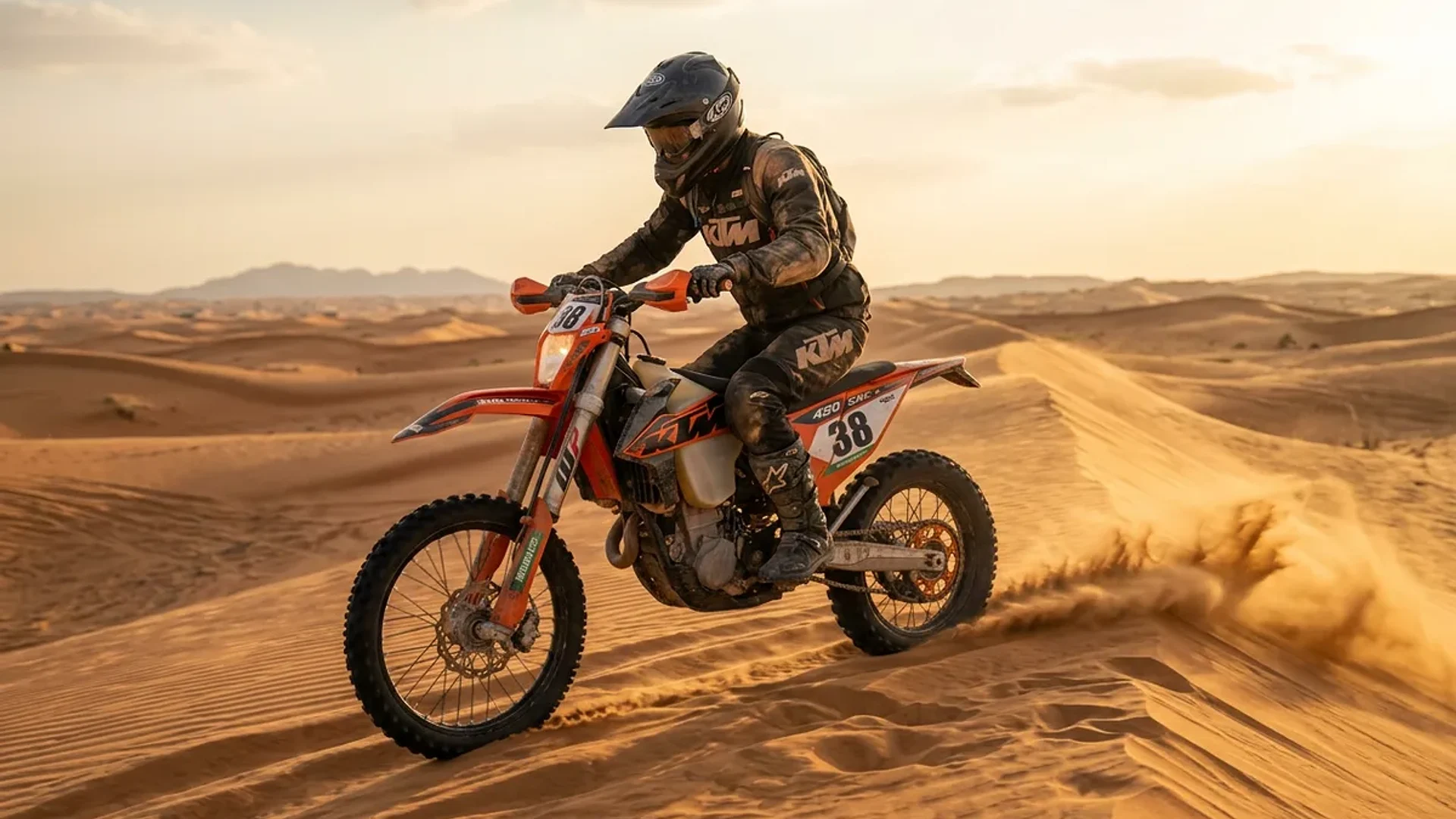
Match quad bike types to your ability
Quad bike types vary in size, power, handling, and intended use. Smaller, lower powered machines are usually easier for beginners to manage because they respond more gently and feel less intimidating. Higher powered bikes can be exciting, but they also demand better balance, smoother throttle control, and more awareness of distance. Extra power is not a shortcut to a better ride if it makes the rider tense or overconfident.
Pay attention to the riding format too. Some bikes are designed for one rider, while others are built to carry more than one person. A two up machine changes the weight balance and braking feel. If you are new to quad biking dubai, a single rider bike is often easier to read because the handling is more predictable. If riding with children or a partner, check age rules, size requirements, and whether the route suits a slower pace.
Automatic transmissions are common in recreational quad biking and tend to be simpler for newcomers. They reduce the need to coordinate gears and clutch control, leaving more attention for steering, braking, and terrain. More experienced riders may enjoy manual control, but only if they are comfortable using it while moving over uneven sand.
Check the safety setup before you commit
Safety should shape the choice, not sit as an afterthought. Before booking, look for clear information about helmets, protective gear, route rules, and what happens at the start of the ride. A safety helmet should fit properly, sit level on the head, and stay secure without being uncomfortable. Loose equipment can distract from riding and may be refused by responsible operators for good reason.
Protective gear also matters. Long trousers, closed shoes, gloves, and eye protection can make a real difference when riding in sandy conditions. Dust, loose stones, and low branches are part of off road riding. Sun protection is practical too, since open desert exposes riders for long periods. Sunglasses or goggles should not restrict vision, and clothing should allow easy movement.
Ask how the route is managed. A good option will explain speed limits, hand signals, stopping points, and what riders should do if they fall behind. Clear rules are a sign that the ride is organized around safety rather than simply getting people out on bikes. If the answer is vague, treat that as a warning sign and keep comparing options.
Read the route and terrain carefully
Desert terrain is not all the same. Some routes use firm sand tracks that are forgiving for beginners. Others include steep dunes, soft sand, narrow turns, or broken ground. These details affect how tiring the ride feels. Soft sand makes steering heavier and can slow the bike down, while firm routes allow more speed but may feel less varied.
If dune bashing is mentioned, understand what that means for the ride. It usually suggests a more energetic route with climbs, descents, and side slopes. That can be enjoyable for confident riders, but it is not the best setting for someone still learning throttle control. A route description that mentions flat stretches, gentle dunes, and regular stops may suit a first timer better.
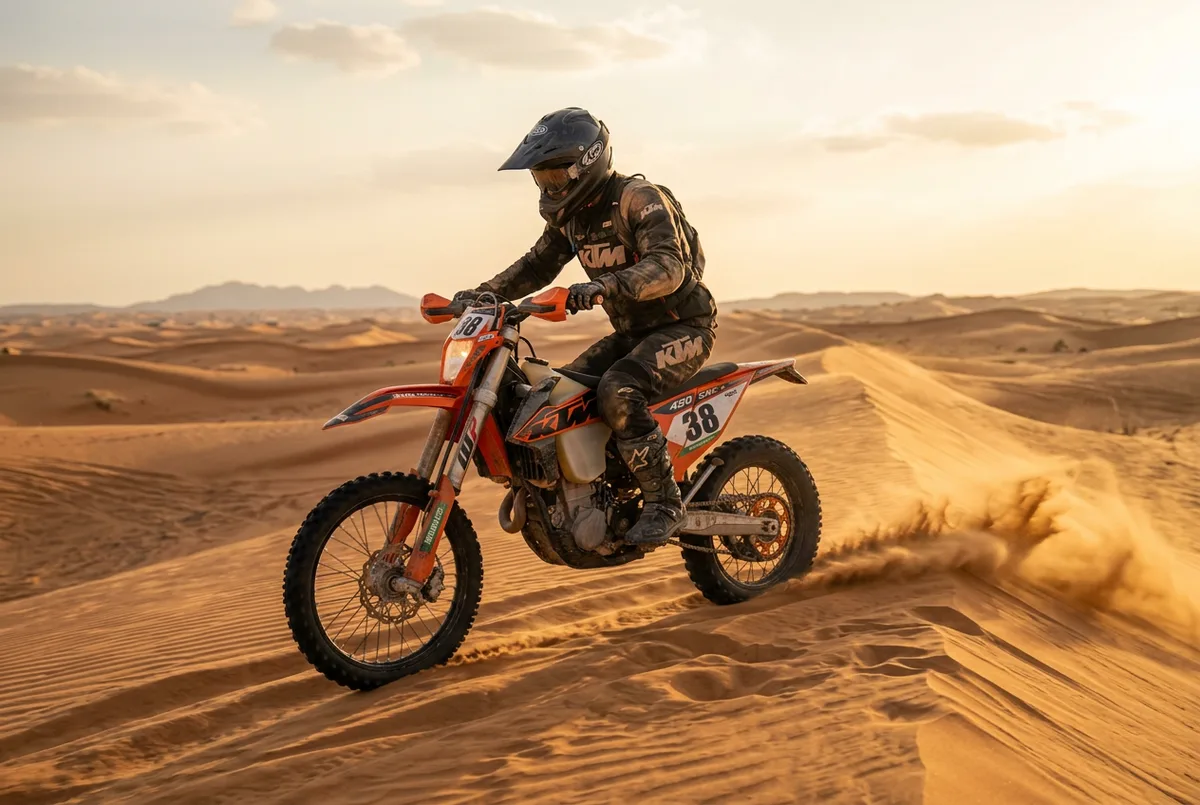
Time of day can change the experience. Cooling temperatures and softer light can make a ride more comfortable, while midday heat can be draining. Sand conditions also shift with weather and use. A route that feels firm one day may be softer after wind or heavy traffic. This is another reason to value guidance from people who monitor local conditions rather than relying only on a fixed idea of what the route should feel like.
Compare duration, group size, and pace
Duration affects more than value. A longer ride can be more demanding, especially in warm weather and uneven sand. Beginners often do better with a shorter first session that leaves room to assess comfort and stamina. Experienced riders may prefer a longer route with fewer interruptions, but only if the pace stays suitable for the group.
Group size changes the feel of the outing. A smaller group may allow more individual attention and a more flexible pace. A larger group can feel lively, but it may involve more waiting, tighter spacing, and a route designed around the slowest riders. Neither is automatically better. The right choice depends on whether you want focused riding or a social atmosphere.
Before choosing, check how the ride handles mixed ability levels. If beginners and experienced riders share the same route, watch for signs that the pace is carefully managed. Riders should not feel pushed beyond their limits, and faster riders should not be forced into unsafe moves to keep up. Clear grouping and steady supervision help keep the experience balanced.
Look for clear rules and simple booking details
A reliable quad biking option should make the basics easy to understand. That includes what is included, what riders need to bring, age and experience requirements, and the rules for participation. The best choice is not always the one with the boldest description. Clear wording often says more than dramatic promises.
Read the conditions before confirming. Check whether there are limits for children, passengers, or beginners. Look for details on cancellation, late arrival, and what happens if weather affects the ride. These points are not the most exciting part of planning, but they prevent confusion later. If a listing avoids practical details, ask questions before paying.
For anyone researching quad biking dubai, the decision becomes simpler when broken into clear checks: ability, bike type, safety setup, terrain, duration, and group pace. Each one narrows the field. A rider who wants a calm first experience should not be drawn by the strongest engine or the most dramatic route description. A rider with experience should not settle for a route that feels too restricted. The aim is a good match, not the biggest sounding ride.

Make the final choice with comfort in mind
Once the practical checks are done, choose the option that leaves you feeling prepared. Comfort is not just physical. It also means knowing what will happen, what is expected of you, and how the ride will be handled if conditions change. A clear briefing, sensible equipment, and a route matched to ability all contribute to that feeling.
Avoid choosing based on one feature alone. Power, route length, and scenery all matter, but none of them compensates for poor organization or unclear safety rules. If two options look similar, the one with clearer communication is usually the safer choice. Read the small details, ask direct questions, and pick the ride that fits your limits rather than stretching them.
A well chosen quad bike outing feels controlled from the start. The bike suits the rider, the route suits the terrain, and the pace suits the group. When those pieces line up, the experience is far more enjoyable, whether it is a first taste of desert riding or a return to more demanding dunes.